

For the past 12 years, the Elon faculty/staff walking challenge has provided a space for Elon employees to stay active and create connections around campus. There has been a spring walking challenge for the past two years, with this spring’s theme being “Elon Olympics Walking Challenge: Race for the Gold.”
Employees use a tracker created by the information technology department to count their steps, receiving different prizes when completely challenge milestones. The 2025 fall semester “Let’s Go Racing Elon 200” challenge tracked 51,042 miles, with 147 employees completing the challenge’s overall goal of walking 200 miles per person. The new spring challenge will start in March and last until right before graduation.
Wellness coordinator for the Elon Faculty/Staff Health & Wellness Clinic, Belinda Day ‘90, is the mastermind behind organizing the challenge, from the theme to the prizes that are given out.
“People want to get out and walk,” Day said. “I see on campus more people out walking now than I did five years ago. I think with the walking challenge, people don't feel like they have to get out and make a big old stride, like 10 miles or five miles today. They can do it at their own pace.”
Christina Bonds, an application developer for Elon University’s IT department, joined the walking challenge when she was working on developing and troubleshooting the challenge’s site. For the past three years, she's added a personal challenge. Each year, she tries to walk 100 more daily steps than her goal the year before. She started with 11,000 steps per day, and now she takes 11,300 a day since starting her challenge.
In 2025, fitness tracking app Strava reported that the number of hiking and walking groups was six times larger than the previous year, according to a report from Business Insider.
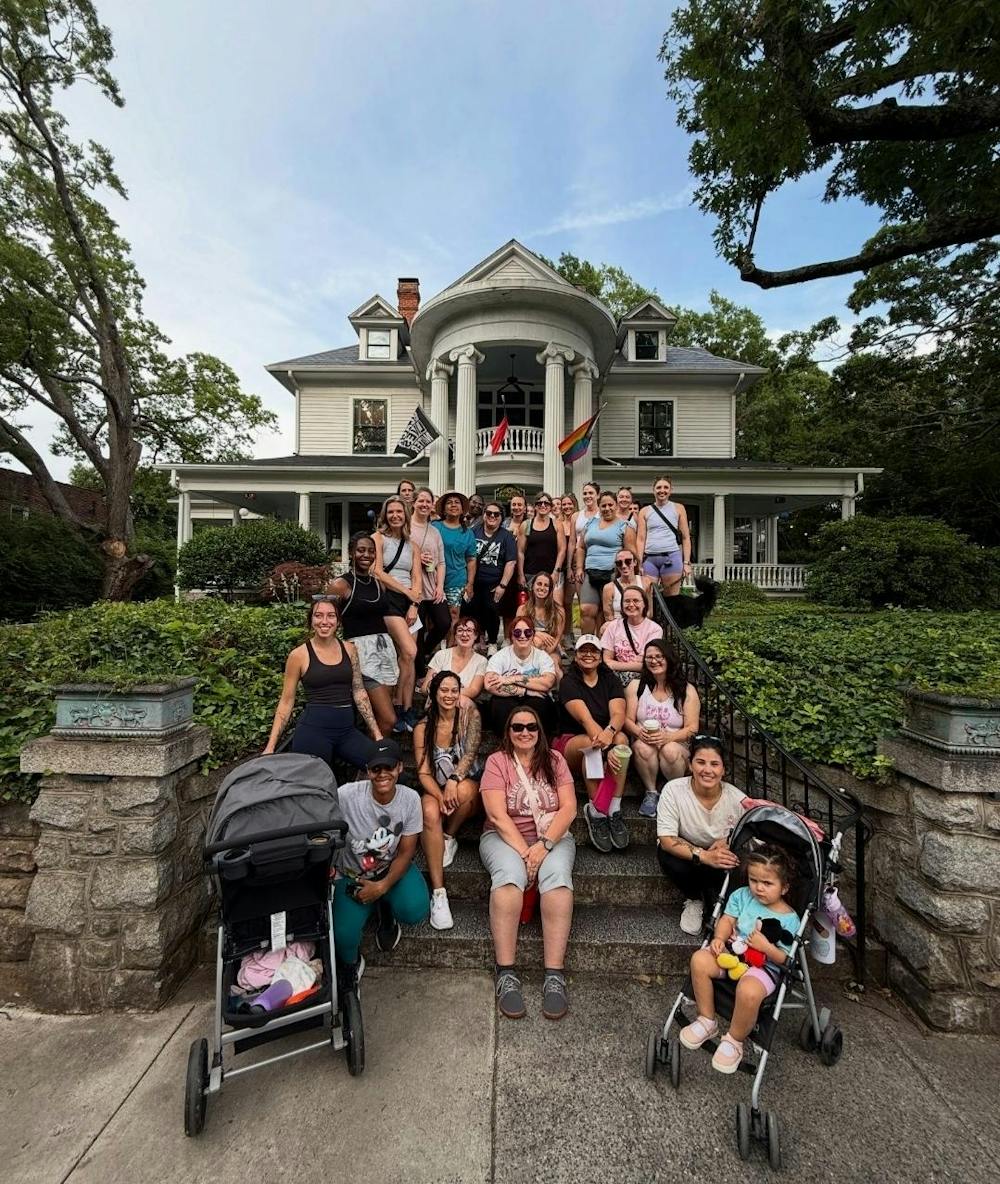
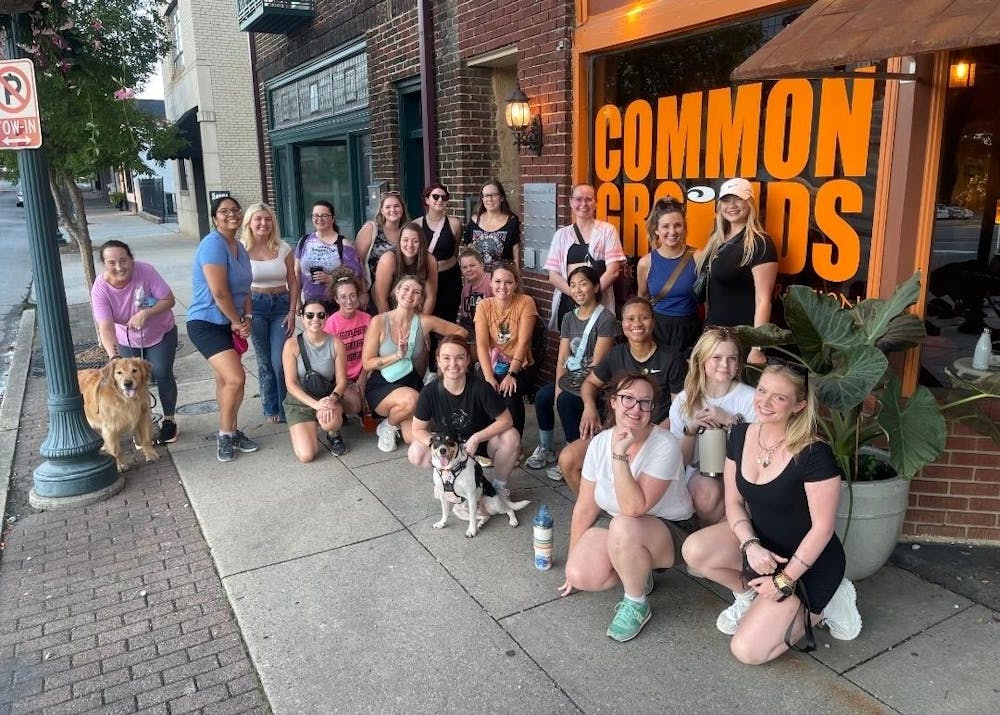
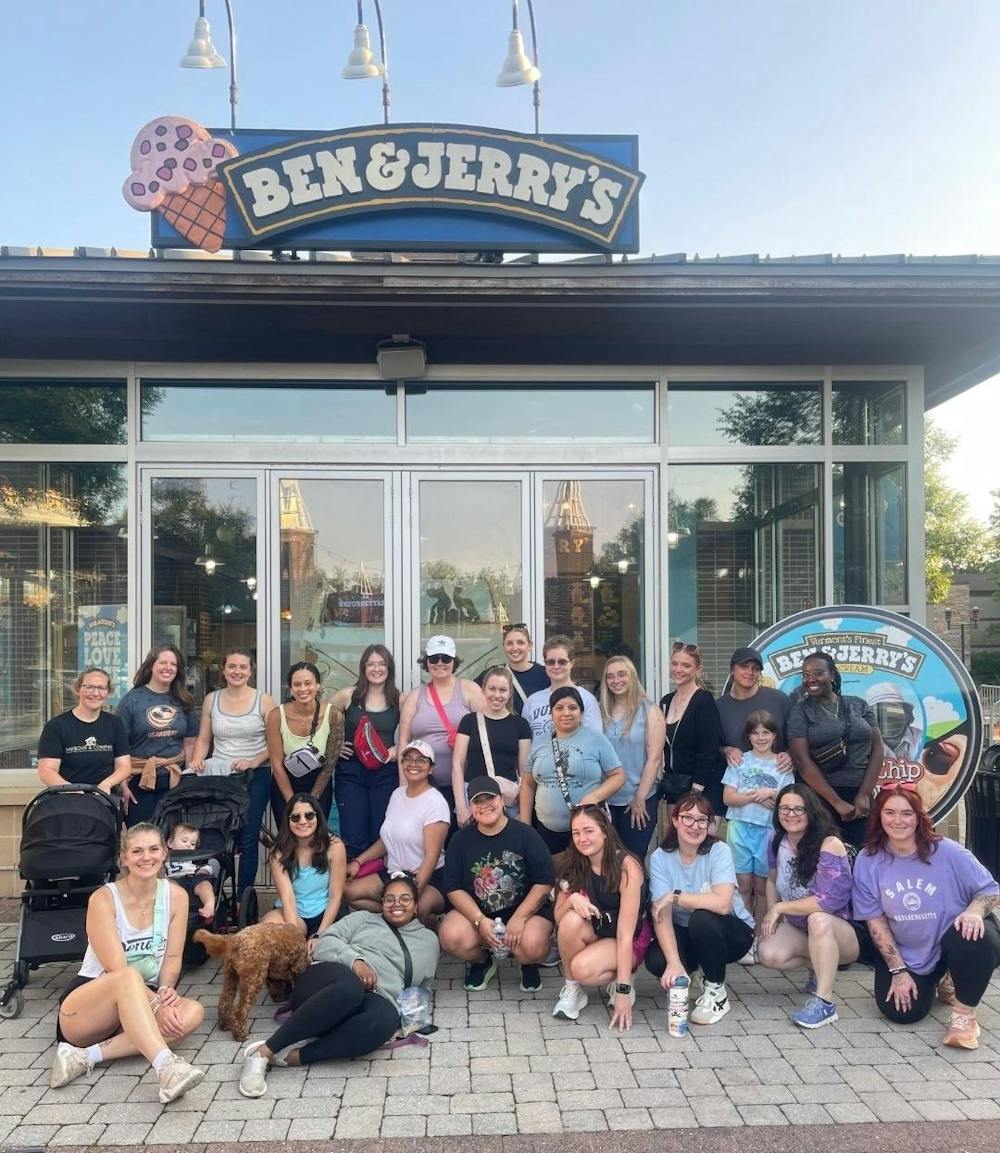
The increase in walking clubs can even be found in the Triad, where the Greensboro-based GSO All Girls Walk Club is a space created where “women feel totally safe,” founder Anna Winstead said. The group aims to create connections while exploring the city’s local businesses and parks or trails in the area.
“You have to be in some level of shape to keep up,” Winstead said. “Running, you are pushing yourself. Even if you're just jogging, you're pushing yourself. I think people like the walk club because everyone can walk. It's no pressure.”
The concept of leisurely sporting activities comes from the German volkssport, or “sport for people.” The sport ranges from land to water activities, all with the intention of enjoying the activity that is being done. The American Volkssport Association is celebrating its 50th anniversary this year, with over 160 active clubs representing over 2,5000 volkssporting events each year.
Tarheel State Walkers Volksport Association treasurer Kathy Cockrell found herself joining the Triangle Trailblazers after reading a column in the News & Observer two decades ago about the group. AVA groups are permitted to do five or 10-kilometer walks. Members are given a booklet to collect stamps from their walks to earn prizes, much like in the faculty/staff walking challenge.
While Cockrell said the new walking groups, like GSO All Girls Walk Club, have given her hope for the future of Volkssport, there are still concerns within her own organization on how to keep numbers of all sorts up.
“Our club has been struggling, to tell you the truth, with participation,” Cockrell said. “While we are really and truly open to everybody, our demographic is gradually getting older. A lot of us are concerned that if we don’t come up with a way to revitalize, the clubs may be gone in ten to 20 years.”
According to a survey conducted by the AVA in 2024, 64% of respondents who are AVA members were 66 to 80 years old. In their summary findings, they listed that declining participation in clubs was a concern. However, organizational changes towards technology and virtual challenges have exceeded expectations.
There’s one thing in common between all the groups that the organizers mentioned: walking has helped them be more physically fit and find a community in which they feel seen. The American Heart Association noted that walking is linked to better cardiac health and boosting mental health, which all the organizers said were key reasons people joined their groups or challenges.
“Don't stop because you're not working. That's not the challenge,” Day said. “The challenge is walking and getting your miles.”