


Elon University and Queens University's merger integration team said the upcoming merger is moving forward with strong collaboration and a shared focus on students. Queens President Emerita Pamela Davies explained that this semester is focused on building a shared culture before the institutions officially join.
“What we hope to do this semester prior to the official joining of our institutions is to build a shared culture, coming together with what we’re trying to achieve, and some bold ideas for how to achieve that,” Davies said.
One of the biggest challenges so far has been working through the long approval process required for mergers, including getting accreditation approval from the Southern Association of Colleges and Schools Commission on Colleges. The universities plan to submit their request in March and expect a response in June of this year. Only after that approval can they seek final approval from the U.S. Department of Education.
“It may be 2030 before we achieve all of our goals, because it just takes a long time to do those things,” Davies said. “So we’re kind of looking toward day one of the merger, which will be late June, hopefully this summer.”
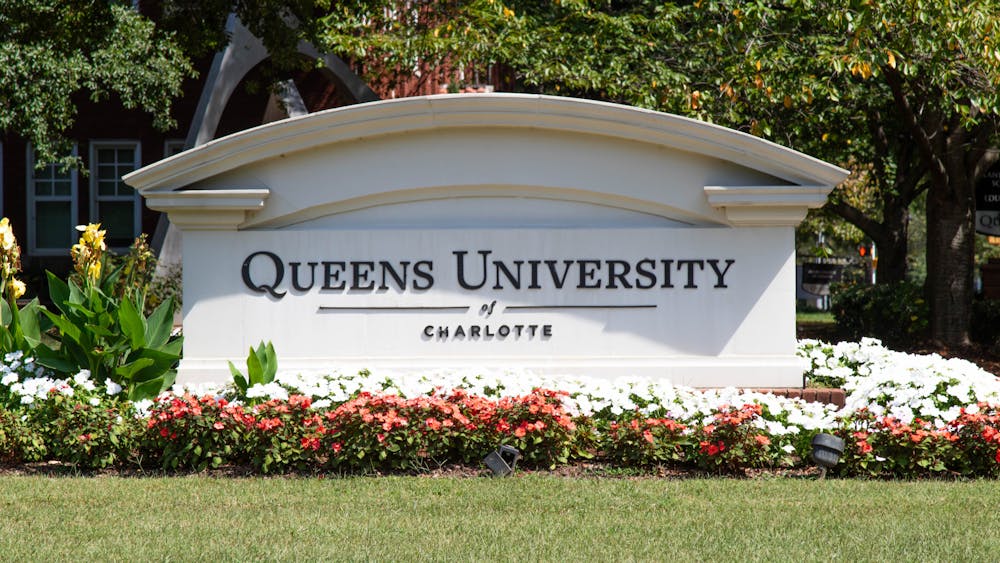
The merger integration team, made up of 27 people across nine teams, is managing important steps, required approvals and planning for future collaboration. Jim Piatt, the senior vice president for advancement and external affairs, said they want to keep student interest and experience at the forefront.
“We’re always doing it with what’s best for students in mind,” Piatt said. “That’s a cultural aspect of both Queens and Elon as we’ve developed through the years anyway, is to really focus on student experience and outcomes.”
Jeff Stein, Elon’s chief integration officer and co-chair of the integration team, said the merger is being built on teamwork and collective decision-making. He emphasized that leadership wants the community involved throughout the process.
“The wisdom is in the group,” Stein said. “We’re not an institution made up of just one person’s ideas or one person’s vision.”
Stein said the team has to move slowly and carefully while still planning for the future, keeping the team’s shared priorities at the forefront.
“If you were to ask me what the name of the merged entity is going to be, I would tell you I don't know, because that hasn't been determined yet,” Stein said. “We're still gathering input, and we're not at that point.”
Even with the slow pace, leaders stressed that the top priority is keeping students’ day‑to‑day experience stable and improving it where possible. They said no major changes to the student experience are expected. Davies said technical teams at both schools are already building systems to make sure students don’t run into issues with registration, information access, or campus services during the transition.
“It takes a while working in this space to comprehend that fully,” Davies said. “When we first started talking about it, it was ‘well, there will be Elon, and there will be Queens,’ and in reality, we’re going to be a single institution with two residential campuses where students eventually move back and forth between campuses.”

Piatt added that the merger will open doors for students from both campuses to explore more hands-on work in growing industries like health care, which he described as part of the broader range of experiences the new institution hopes to offer.
Looking ahead, both leaders said students at both campuses will gain new opportunities—especially in Charlotte’s business, health care, and communications sectors. They said combining the two universities will open more hands-on learning options.
“I think an expanded portfolio of opportunities,” Davies said. “Queens sits in the heart of a place where engaged learning can be leveraged in new and different ways.”
The team’s leaders emphasized how this merger between two strong, complementary institutions is unprecedented. Piatt said they have learned from consulting partners and past mergers not to be afraid to make important decisions and to communicate well.
“I feel like we’re trailblazing a little bit,” Davies said. “We feel a responsibility to create a model that can be used by others.”
Fiona McAllister and Anjolina Fantaroni contributed to the reporting of this story.