

CORRECTION: The headline of the original version of this article stated that the Centers for Disease and Control confirmed a case of measles in North Carolina. This North Carolina Department of Health and Human Services confirmed the case. Elon News Network regrets this error
Measles cases in the United States have reached a record high since the disease was declared eliminated in the states in 2000. The recent outbreak shows the highest number of U.S. measles cases in 33 years.
On June 24, the North Carolina Department of Health and Human Services confirmed a case of measles in a child who was visiting Forsyth and Guilford counties, around an hour away from Elon. According to NCDHHS, it is the first confirmed case in the state this year. There have not been any more cases recorded in North Carolina as of July 12.
Measles, also known as rubeola, is caused by a virus that spreads through the air and settles on surfaces. Typically, most people recover from the measles in about 10 days and are not known to cause long-term issues.
Dean of Student Health and Well-Being Jana Lynn Patterson said that Elon University has had conversations with Elon’s Infectious Disease Response Team in case of any outbreak. Similar to the mumps outbreak on campus in 2019, Patterson said that the team was able to partner with facility services and provide vaccinations to students.
“We organized and had a mass vaccine clinic on campus within two days,” Patterson said. “They went to the state and got the vaccines, and they brought their nurses over here and vaccinated hundreds of people.”
Elon University physician and medical director Terry Le said measles are typically spread from people unvaccinated against the disease.
“They're traveling into the United States and in local areas where there are folks who are unvaccinated,” Le said.
What are the symptoms?
Early symptoms of the measles include a high fever, cough, runny nose and conjunctivitis, also known as “pink eye,” according to the Centers for Disease Control and Prevention.
After two to three days, tiny white spots might appear on the inside of one’s mouth. Three to five days after symptoms begin, the measles rash can run down the neck, arms and legs.
Le recommends that if you start to experience any of these symptoms, you should wear a mask and cough or sneeze into your arm.
“Take the same precautions that you normally do for preventative health when somebody has a flu or cold,” Le said. “If you have the sniffles and we know that it's an airborne or respiratory illness like the flu, COVID or the measles, just be conscientious of protecting yourself and the others around you.”
What does the recovery process look like?
When recovering from the measles, it is recommended that you eat nutritious foods and get plenty of rest. Dehydration can be avoided by drinking water and fluids with minerals. Staying at home will help prevent the spread of this disease, individuals are contagious when a rash appears on their skin. It can take around 10 days to two or three weeks when in the recovery process.
There is currently no antiviral or antibiotic treatment for measles.
Where can you get vaccinated?
Elon requires students to have two measles, mumps, and rubella vaccines, an MMR vaccine, before their first year on campus, though some students can receive exemptions. Those in the Elon area who are looking to get vaccinated can visit local pharmacies that provide MMR vaccinations.
Le said she encourages students to look at their vaccination records and stay up to date on immunizations. If you are unsure if you are up to date on the measles vaccine, the CDC recommends that you speak with your healthcare provider.
According to the CDC, children are supposed to receive two doses of the MMR vaccine – the first when they are between 12 and 15 months old and the second between 4 and 6 years old. The CDC considers people who received two doses of measles vaccine as children to be protected against the disease for life without ever needing a booster dose.
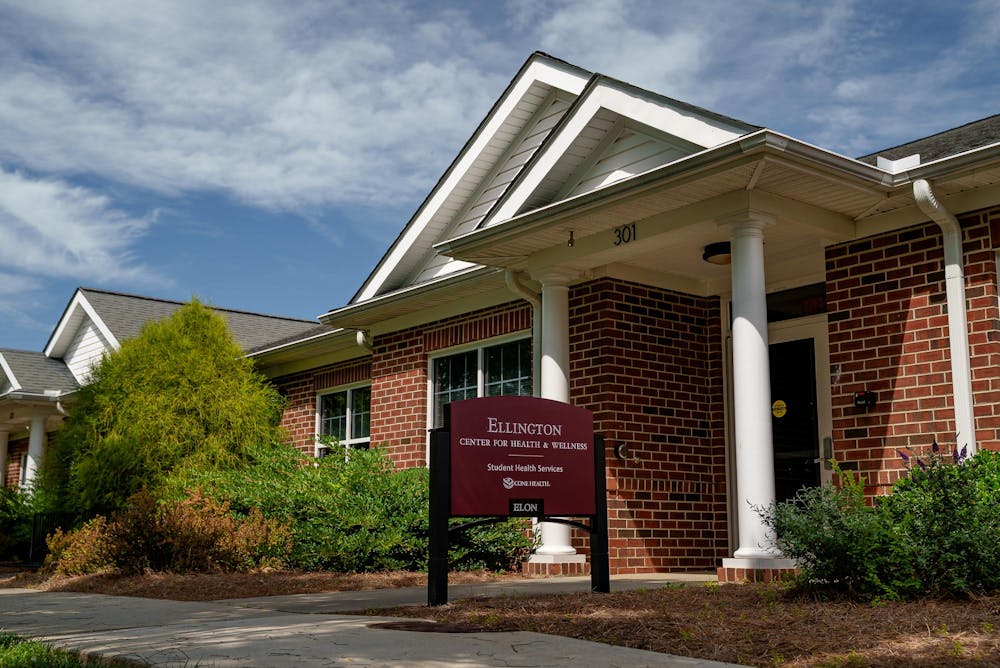
Students who are feeling unwell or experiencing symptoms of the measles can visit student health services, located on South Campus.