


Some books in Alamance County libraries may be marked with a bright, yellow sticker in the near future as the Alamance County Commissioners approved a content warning labeling policy.
These “parental guidance” stickers, which were approved April 21, will only apply to a book if a patron fills out a form, expressing their reasoning for why it isn’t fit for young readers. From there, a board of high-ranking library staff members will review the patron’s request based on criteria such as sexually explicit content, depictions of substance abuse, references to suicide, underage drinking, graphic violence and profanity. This committee will be made up of the Library Management Team and the Racial Equity Team. The committee will make the final decision on whether the book receives the sticker or not. If a sticker is not decided upon, the patron can appeal the decision. However, an approved sticker cannot be appealed, according to meeting minutes from the Jan. 31 Alamance Library Committee meeting. The stickers will be placed on the spine of the books.
The stickers, which were initially suggested to look like a rainbow before that idea was discarded, are meant to look like a caution sign with yellow and white on it. The Alamance Library Committee originally considered including LGBTQ+ content in the sensitive material that the stickers applied to, according to the minutes from a Nov. 12 meeting. This sparked some controversy and outcry from some community members. However, County Commissioner Pamela Tyler Thompson said including LGBTQ+ in the sticker policy is no longer the case.
“The point was all about books for the right age for violence and sexual content,” Tyler Thompson wrote in an email to Elon News Network. “That was our vote … sticker or label concerning violence and sexual content for the right set of eyes.”
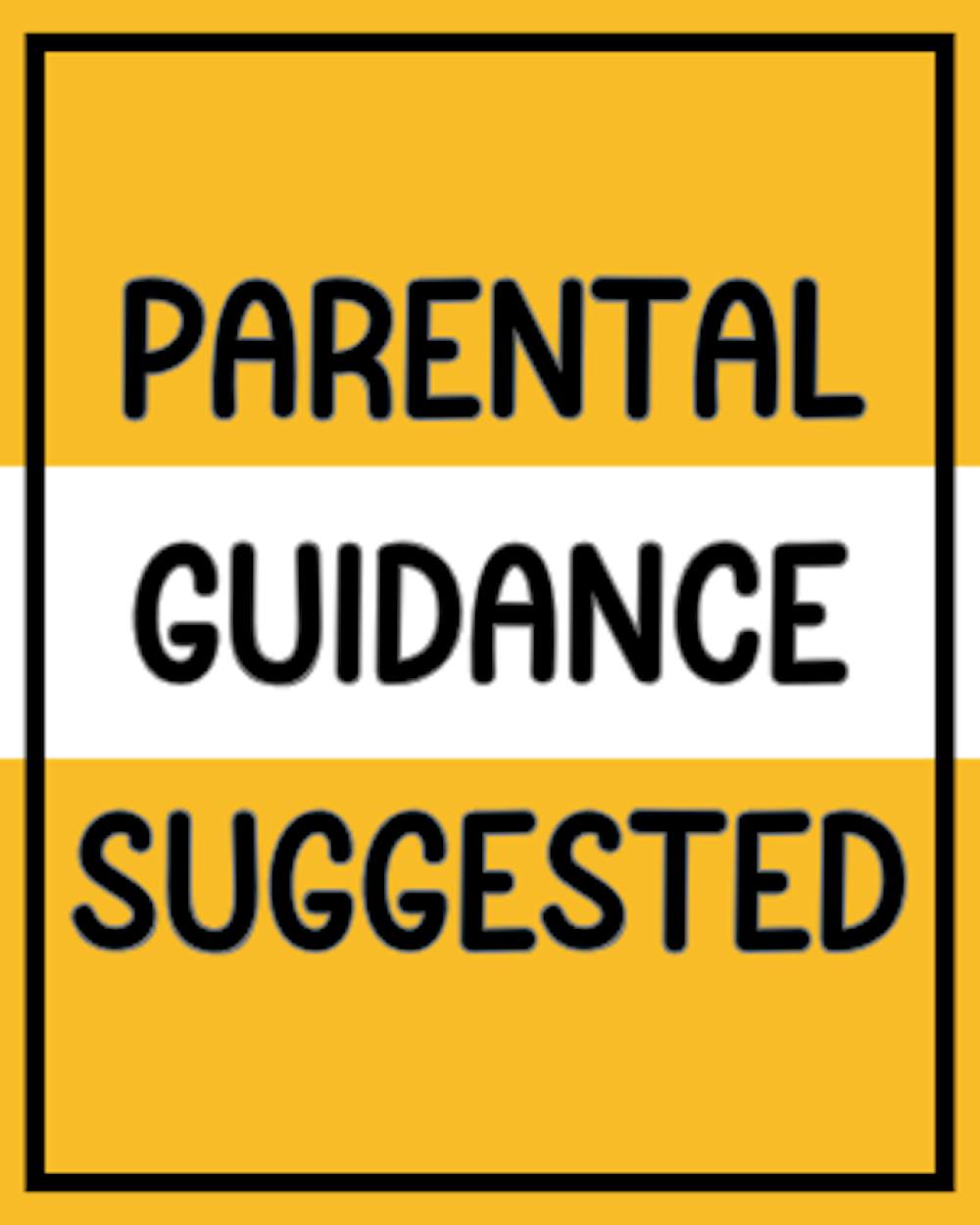
Tyler Thompson, who is also a liaison to the library committee, said this has been brewing for a while. She said it started about a year ago because of parents’ concerns about certain books being in libraries across Alamance County. It evolved into the library committee coming up with the idea of these stickers. The committee called a special meeting on Jan. 31 to discuss the issue. Bonnie Whitaker, a member of the committee, did not respond to Elon News Network’s multiple requests for comment.
With about 50 community members in attendance, 20 of them got up and expressed their opinion on the topic in the public comments portion of the meeting with more than half of them saying that they disagreed with the idea of the stickers. Thompson said she was glad to see so many people at the meeting willing to talk because it shows that people care about this issue.
Noelle Vaught, an Elon University junior from Graham who attended the meeting, disagrees with the idea of stickers.
“I don’t think it’s the place of the county government to be able to label certain things as sensitive if people find it objectionable,” Vaught said. “If a parent really wanted to monitor what their children were checking out from the library, what they were reading, they could simply get that information by reading the sleeve of the book.”
Vaught said the stickers threaten freedom of expression. She said certain books across the nation have first been labeled as objectionable and then later are removed completely from library shelves. According to Tyler Thompson, it is less about censorship but rather about protecting children from content that is meant for readers older than they are.
“There are so many things nowadays that are just on the coattails of children,” Tyler Thompson said in an interview with Elon News Network. “I see a lot of kids that get that horror and that brokenness and the police at the house, all that laid on top of them, and it shows up in school. They’re mad, they’re upset, they’re stressed, they’re anxious, they’re just a walking zombie sometimes, and we can’t do that with any kind of topic.”
Tyler Thompson said it is crucial for children not to be exposed to certain things, such as suicide or drugs, in books until they are ready because it can lead to harmful decisions in their real life.
“Every day you learn and you build and you grow and you don’t have wisdom at 17 years old … I just want kids to see things when they are ready to see them, that they’ll understand them and they can make their own choices,” Tyler Thompson said.
Tyler Thompson said the importance of this issue became clear to her after she received a call from a community member who was perusing the aisle of the Mebane Public Library. The community member’s 7-year-old son was looking at books in the youth department, but someone had just left a book from another area on the shelf. That book contained illustrations of sexually explicit content. Tyler Thompson realized there was a problem and brought the book to a county commissioners meeting. Tyler Thompson emphasized that it is up to the parent to raise their child and protect them from certain things, but said no seven-year-old should be reading certain content.
“We just have to be really smart and not get so caught up in and pissed off in politics that we don’t think about the effects that some of our decisions have on young people,” Tyler Thompson said. “Young people need to be protected and make their own decisions as they grow up when they’re ready to. Just give them time, don’t grow them up overnight.”
In the County Commissioners’ April 21 meeting, the sticker policy was approved unanimously, but it didn’t avoid some debate. County Commissioner Ed Priola voiced his support for the policy but thought it should go a step further.
“Children should not have access to age-inappropriate materials without parental consent … It’s unreasonable to suggest that a 10-year-old needs unfettered access to everything that has ever been printed,” Priola said at the meeting.
Tyler Thompson said she thinks the public reception to the stickers will be positive if implemented correctly, but acknowledged that it will be difficult for the approval committee to decide on whether certain books deserve a sticker or not. She said certain popular books such as “To Kill a Mockingbird” have sensitive content, so it might warrant criticism, but its popularity might bring others to argue for it to avoid a sticker.
However, Vaught said the implementation of content warning stickers could result in some serious consequences. He believes it could lead to full-on removal of books or even bullying in schools, which multiple community members expressed concern about at the Jan. 31 library committee meeting.
“In the long term, eventually it’s going to go into the territory of starting to remove certain books,” Vaught said. “Putting a label on a book as sensitive content, some kids at school might know what that means. And it might open up a particular kid who has one of those books to bullying or people getting the wrong impression about what it is that they’re actually reading.”