

Editor’s note: Tom Arcaro is a professor of sociology at Elon University and the principal investigator for this longitudinal study. The full report, including methodology and detailed analysis, is available upon request or online at TomArcaro.com.
Something fundamental has shifted in how our student body understood one of the most contentious issues of our time. And if you care about where this generation is headed — or about how we talk to each other across deep divides — you should pay attention.
A little over a year ago, I surveyed Elon University students about their views on the ongoing conflict in Israel/Palestine, which began a violent new chapter with the Oct. 7, 2023, attack on Israel by Hamas. This past October, I ran the exact same survey again. The results were dramatic.
The numbers told a story
In 2024, Elon students were divided. About 26% said their sympathies lay more with Palestinians, 10% with Israelis, and the largest group — 36% — said they sympathized with both sides. Nuance ruled the day.
In 2025, that middle ground collapsed. Sympathy for both sides plummeted by nearly 17 points. Meanwhile, sympathy for Palestinians surged to nearly 41%, becoming the new plurality view. The center, it seemed, could not hold.
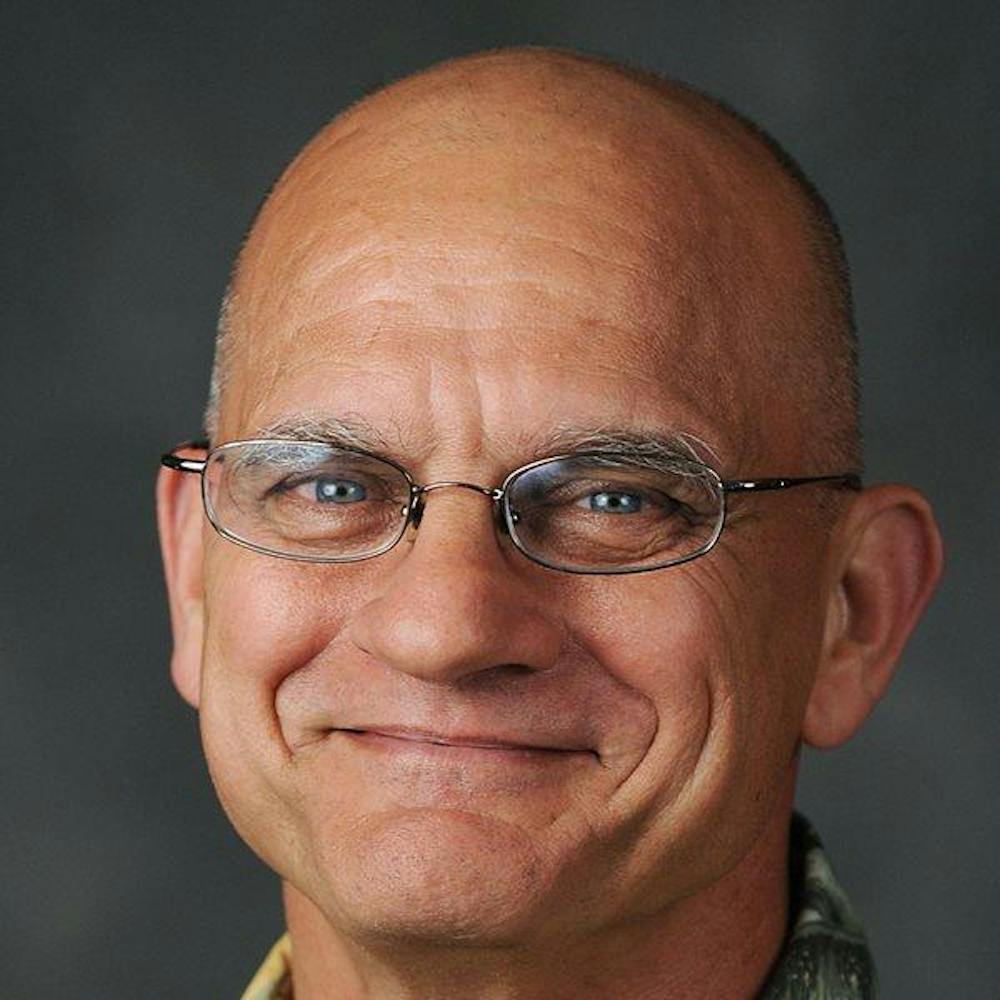
Tom Arcaro, professor of sociology at Elon and the principal investigator for the longitudinal study surveyed Elon University students about their views on the ongoing conflict in Israel/Palestine.
This wasn't just about sympathies. Students also reported a dramatic shift in where they got their information.
In 2024, over 62% said their primary source was social media. In 2025, that number dropped by nearly 17 points, replaced by a surge in students turning to academic articles and traditional news sources.
Something was happening here. The question was: what, and why?
What students said
The open-ended responses were where the real story emerged. Across every demographic group, students began using a new vocabulary to describe the conflict. Words including "genocide" and "apartheid" — once confined to activist circles — became commonplace.
A Christian student, who was ambivalent in 2024, wrote in 2025: "I'm anti-death, and right now a genocide is occurring."
A Jewish student, part of a community where pro-Israel sentiment remained strong, wrote: "Jewish people are also an oppressed people, but I think genocide is not condonable under any circumstances."
A non-religious student put it simply: "I consider this a very cut and dry genocide."
These students were not parroting talking points. They were reaching for a moral language that made sense of what they saw as an overwhelming human tragedy. And they were finding that language not on TikTok or Instagram, but increasingly in the academic and news sources they had come to trust more than they used to.
Who drove this shift?
This was not a story about one group of students imposing their views on others. The shift cut across campus, but it was not uniform.
Liberal students led the way, with the proportion who became more pro-Palestinian jumping by nearly 17 points. Conservative students' views remained largely stable. Among Christian students, pro-Palestinian sympathy rose by nearly 10 points. Among non-religious students, it rose by 20 points.
And within the Jewish student community — a group often assumed to be monolithic on this issue — something remarkable happened. While the majority remained pro-Israel, the proportion expressing primary sympathy for Palestinians almost doubled, from 13% to over 21%. A visible, if still minority, Jewish voice emerged on this campus, framing its critique of Israeli policy in the language of human rights.
What this means for us
These findings present our campus with a challenge and an opportunity.
The challenge is obvious. If the center cannot hold, if we become more polarized, then the kind of respectful, nuanced dialogue that a university should foster becomes harder. The percentage of students who agreed there were "safe places" on campus to share views on this conflict dropped by nearly 13 points. That was — and remains — a warning sign.
But there is also an opportunity. Our students are not disengaged. They are searching, reading, and forming deeply held moral convictions. Many moved away from the algorithm-driven echo chambers of social media and toward sources they perceived as more credible. That is exactly what we, as educators, hope to see.
The question now is whether we can create spaces — in classrooms, in the Chaplain's office, in Hillel and Muslim Student Association, in formal dialogues and informal conversations — where students can bring those convictions into genuine engagement with one another. Not to change minds, necessarily, but to understand them.
A final thought
I shared these findings privately with several colleagues before writing this. Some felt validated. Some felt anxious. Some worried about how the data would be used, or how it could be misused.
Those reactions were real, and they mattered. But hiding from the data was never the answer. The only way through this is together, with honesty and empathy and a willingness to listen across the very real divides that this research documented.
The center may not have held. But perhaps something else can: our commitment to each other as members of this community, even when we see the world in fundamentally different ways.
Editor’s note: Tom Arcaro is a professor of sociology at Elon University and the principal investigator for this longitudinal study. The full report, including methodology and detailed analysis, is available upon request or online at TomArcaro.com.