

Some say the most wonderful time of the year is Christmas, but for baseball fans, it’s Spring Training.
In the second week of February each year, all thirty Major League teams and their players report to camp, carrying with them aspirations of a championship and, for some, heavy hearts due to coming up short the prior season. But due to an eventful off-season, teams are left questioning their ability to perform and compete due to suspensions, arrests and stunning retirements. To add even more controversy to an already eventful winter, teams are now dealing with a new rule changes that can potentially make a large impact on how the game is played.
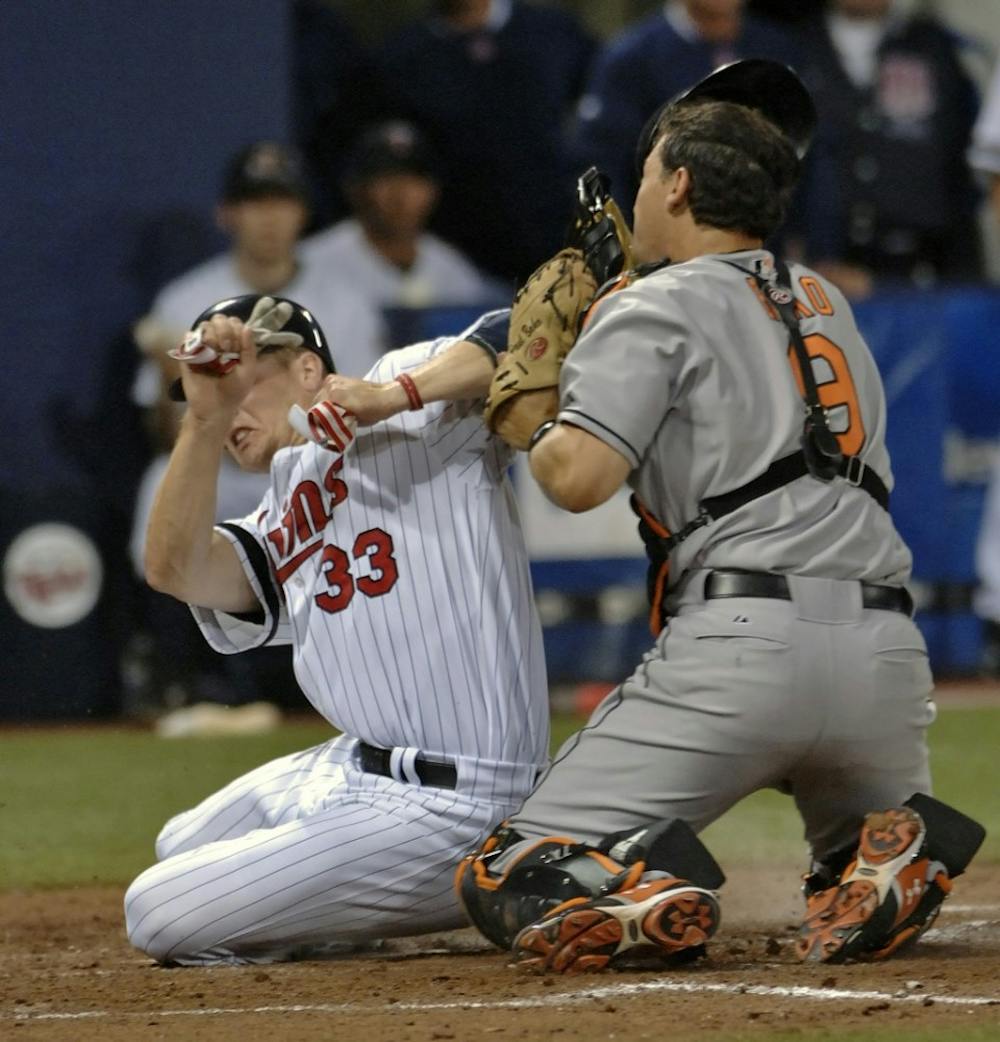
One of the most controversial changes is rule “7.13”, as referred to by the governing book of the MLB, which states the rule is in place “to prohibit the most egregious collisions at home plate.” This rule was adopted in the midst of San Francisco Giants catcher Buster Posey’s injury at the early stages of the 2012 season, which caused the former National League Rookie of the Year to miss nearly an entire season. After this occurred, the league looked into the safety of the players as a way to provide a safety net for the league. Due to Posey’s well-known name, Bud Selig and the rest of MLB management worked on a new way to prevent losing the league’s brightest stars. The new rule says a base runner cannot change his path in order to create contact with the catcher. If the runner is found to have changed his route, it will be recorded as an out and carry a possible ejection in a decision made by the home plate umpire.
But even more controversial is the new expansions to the replay rules that include playback on plays such as home runs, fan interference, force plays, tag plays, touching bases along with ball-strike counts. Replay is not automatic on any plays, but instead it must first go through field managers, whom report to the Crew Chief, who can then ask the manager whether or not they would like to challenge.
http://www.youtube.com/watch?v=CpRn2jhiaKw
The process does not end here — the replay then goes to the booth which streams the same view to a “Replay Manager” in each team’s clubhouse. Only then can a video analyst for the team use the club phone to contact the manager on whether or not the team should challenge. In this new system, each coach will receive one challenge per game with which they may specify multiple aspects of the play that they are questioning. In the end, replay official and Crew Chief determine whether or not the call will stand or be reversed.
In just the past four months since the end of the season, many major changes have occurred around the league. To allow teams time to adjust, the league has implemented these two new major rules for Spring Training. This allows for the players and Major League Baseball fans to adapt to these changes that will be present in a new season that will be unlike any other.
It is unclear as of now if these changes will better our Nation’s Pastime or hurt it. But, as fans we must look on the bright side.
It is officially baseball season and the game will still be played.