

Something most of us did not predict or even know was feasible is the possibility that an American city can go bankrupt.
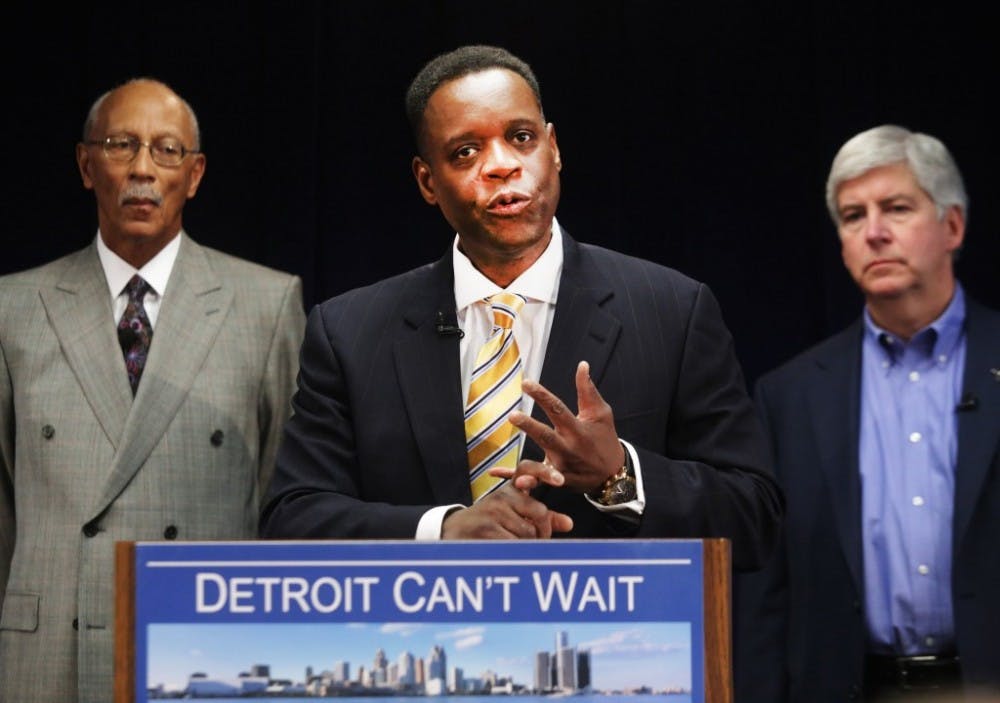
The governor of Michigan announced the appointment of Kevin Orr, an emergency manager for the once prosperous city of Detroit.
Municipal bankruptcies are rare. In 1975, New York City almost fell into bankruptcy but was saved by a state-appointed oversight board. In 1991, Philadelphia ceded management to the state of Pennsylvania instead of facing bankruptcy.
[quote]The chance that Detroit will file for bankruptcy is low, but the intentional appointment of an expert bankruptcy attorney is more than symbolic. It’s a wake up call. [/quote]
The current economic state of Detroit is grim, contrary to the thriving private sector it houses. Detroit suffers from an annual cash shortage, a plummeting quality of life and a huge debt — $14 billion in long-term liabilities, according to The New York Times. Police officers and firefighters are cripplingly underfunded and the city is littered with rundown, uninhabited buildings. Unemployment is at 18.2 percent and a third of the population is impoverished, according to Reuters.com.
History shows us Detroit will prevail, but at what cost?
The emergency manager is given near-autonomy when controlling Detroit’s finances. Some may perceive Orr as a financial despot, as he has the power to restructure financial plans, change labor contracts, privatize services and even sell city assets. Protestors have become active, voicing their disdain at the city’s decision.
Many believe it is undemocratic to have an unelected leader with so much power. But there comes a time when heavy government intervention is necessary, and a city on the verge of bankruptcy seems like an appropriate time for that.
[quote]As a quasi-Keynesian (someone who advocates fiscal programs by government to increase employment and spending), I believe hiring an emergency manager is warranted. But this is only appropriate because of the private sector’s negligence. [/quote]
It seems corporations need to take a stand for the “small government” so many of them endorse. This is their chance to prove the private sector is up to the task and government doesn’t need to stick its nose everywhere. I’m not suggesting the private sector overhaul this operation, but aid it.
Chrysler was given new life by the government and now they’re bigger than ever and ruling Detroit. If Chrysler were to help save Detroit, they would be killing two birds with one stone, reviving the city that twice made them while making a statement that the private sector has what it takes to supplant some of the government’s programs and subsidies.
The City Council has expressed its disagreement, but has yet to directly challenge the course of action. In a time when government is bigger than ever in Detroit, perhaps the private sector can show its influence and ability to aid the city. If done right, the private sector can show the power of small government.